

Guatemala opened a new stage of electricity contracting with PEG-6, but the expansion of generation faces a challenge that transcends the awards: having networks to connect the power plants and supply the growth in consumption.
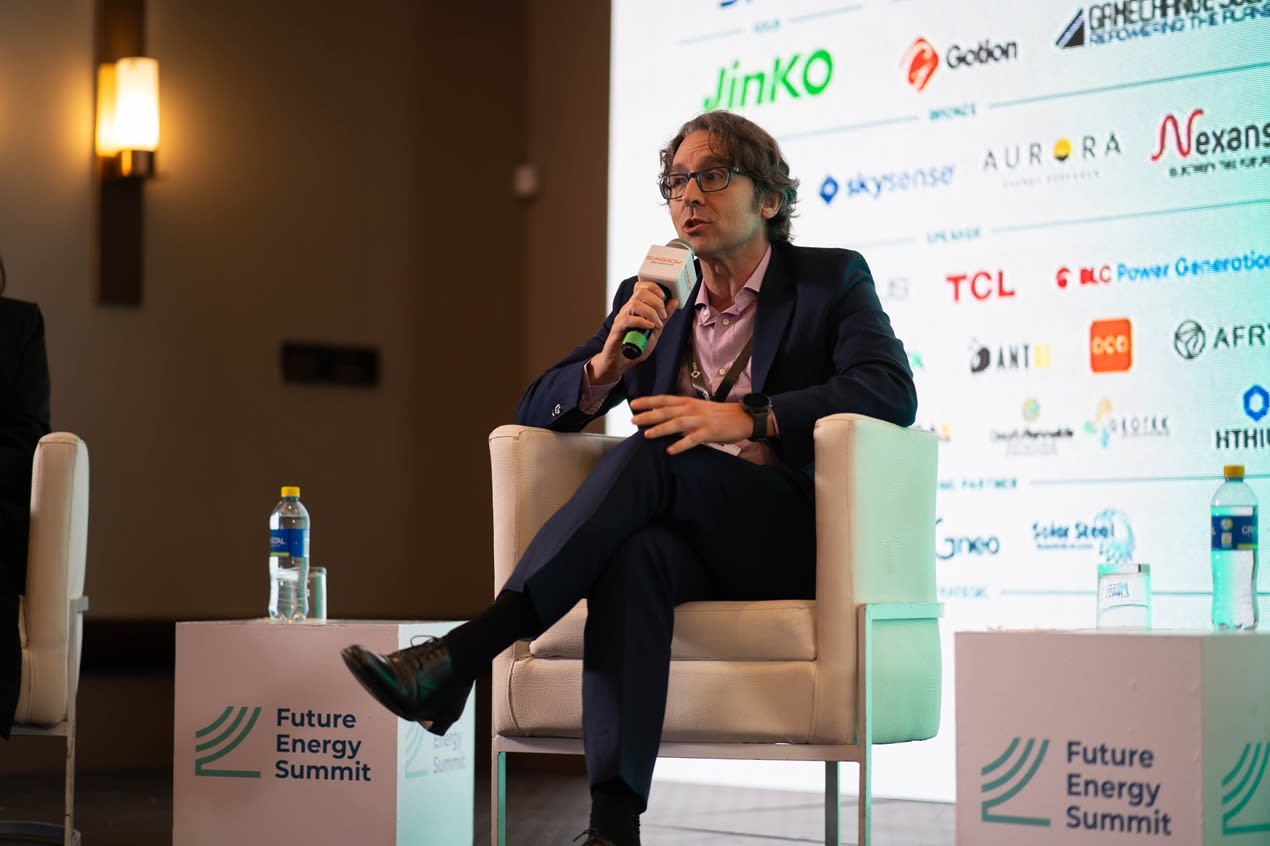
During her participation in the Strategic Energy streaming event , Astrid Perdomo, executive director of AGER , analyzed the scenario that accompanies the PEG-6: an electricity demand that, as she indicated, grows around 6% annually , new power plants under construction and the need to complement the generation contracted in previous processes.
The tender contemplates contracting 600 MW, with supply starting in May 2032. Explaining its relationship with PEG-5, the spokesperson noted that the strong participation of renewables, especially solar and solar with storage, gave way to another priority: “Now what is being sought is baseload power.”
He also stated that, according to the commission president, the estimates used were based on 2022 demand, while consumption continued to grow. Industry, building electrification, and increased air conditioning use were among the factors he identified behind this expansion.
This new contracting cycle coexists with the execution of projects already awarded: the representative placed the renewable capacity under construction linked to PEG-4 and PEG-5 at around 870 MW .
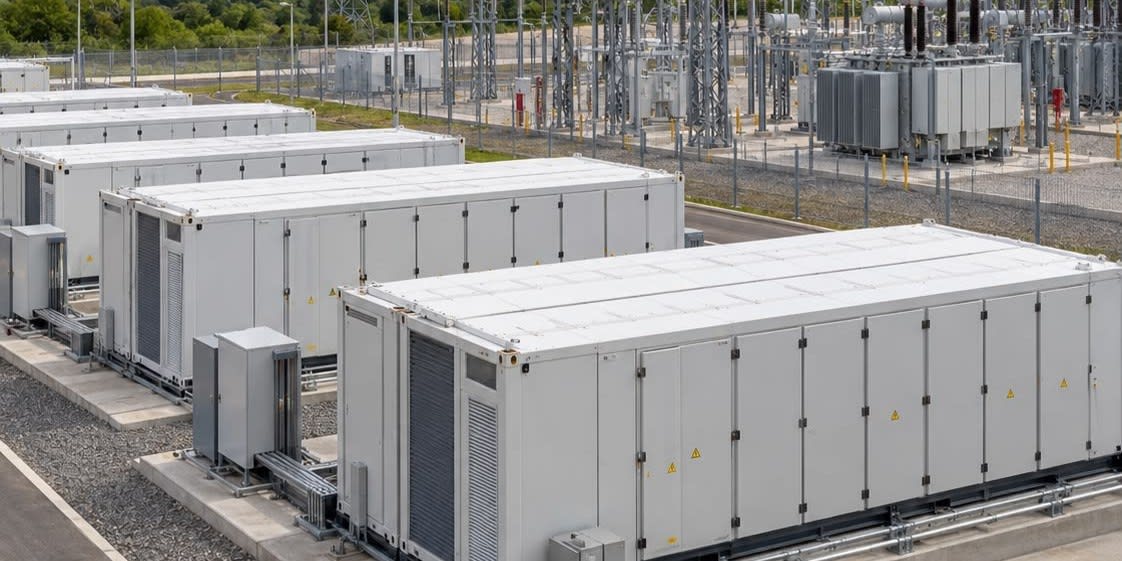
The Guatemalan movement is also part of a regional wave of calls to incorporate generation and storage .
According to the overview presented during the streaming, Panama expects two new power and energy tenders for 2027, still without official dates; Honduras projects a first call for 600 MW for January of that year, and the Dominican Republic is preparing new processes for renewables and batteries.
This scenario also influenced the spokesperson's remarks: "It's incredible how much activity is happening and how eager for investment there is in this region," she emphasized. However, she cautioned that Guatemala's progress in contracting must be accompanied by the necessary infrastructure to connect the power plants.
“It’s very nice to celebrate the contracts, to celebrate the awards, but connecting the plants is another matter,” he added.
The connection and the obstacles to expanding the network
The representative questioned the availability of information on grid connection capacity. She explained that a developer can acquire land, conduct electrical studies, and prepare their documentation only to discover, during the process, that there is no space to incorporate the power plant.
Continue reading
“That’s an issue, I believe, that we should definitely improve in Guatemala,” he stated. He warned that this situation involves a loss of time and resources.
He also cited an estimate from the Guatemalan Energy Transporters Association: the country should incorporate 5,000 kilometers of new lines by 2040. However, he mentioned difficulties in obtaining licenses, right-of-way authorizations, and permits to cross protected areas.
In that context, he noted that Congress was discussing an initiative to prioritize urgent transmission systems. He also pointed out that around one million people still lack electricity and stated that more than 50% of the transmission system was expanded through investor-led initiatives.
After a PEG-5 with strong participation from renewables and solar projects with batteries, he summarized: “Now what is being sought is baseload power.”
Looking back at the previous call for proposals, he highlighted the emergence of hybrid configurations that combined different power sources and storage. He also mentioned an average price of $101 per megabyte, although he acknowledged that some participants were satisfied while others were not.
The executive clarified that the distributors' tenders cater to regulated demand, which accounts for approximately 60% of the market. The remainder corresponds to large users, a segment where she also observed growth and investment opportunities.
Self-consumption and storage, other areas of expansion
The spokesperson described a strong interest in self-generation and mentioned approximately 500 MW in distributed renewable generation , a category which, she explained, includes installations of less than 5 MW. She noted that many projects are being built to supply large users and that there are plants intended exclusively for self-consumption.
This shift is driven by exposure to the spot market. According to him, prices jumped from the usual range of $80 to $90 to peaks of up to $600 per megawatt in August and September , a situation he attributed to the effects of El Niño. He indicated that some large consumers contract for supply for periods of up to five years, while others prefer to remain on the spot market. He believes these events could encourage longer-term agreements and investments in self-generation.
Regarding self-consumption, he clarified that solar energy currently predominates. The incorporation of batteries still depends on a better understanding of their performance and the potential for remuneration.
Regarding storage, he explained that the regulations were already approved for wind and solar plants; a second phase would cover hydroelectric and thermal plants, and a third would address independent or standalone systems.
Among the aspects under analysis, he highlighted when the batteries could be charged : he warned that the most convenient time for an investor could affect the system's dispatch. He also noted that Guatemala is following the Chilean experience to evaluate other forms of remuneration, a point that the local market has not yet resolved.
 By Energía Estratégica
 By Matías Medinilla

 By Florencia Guglielmetti