
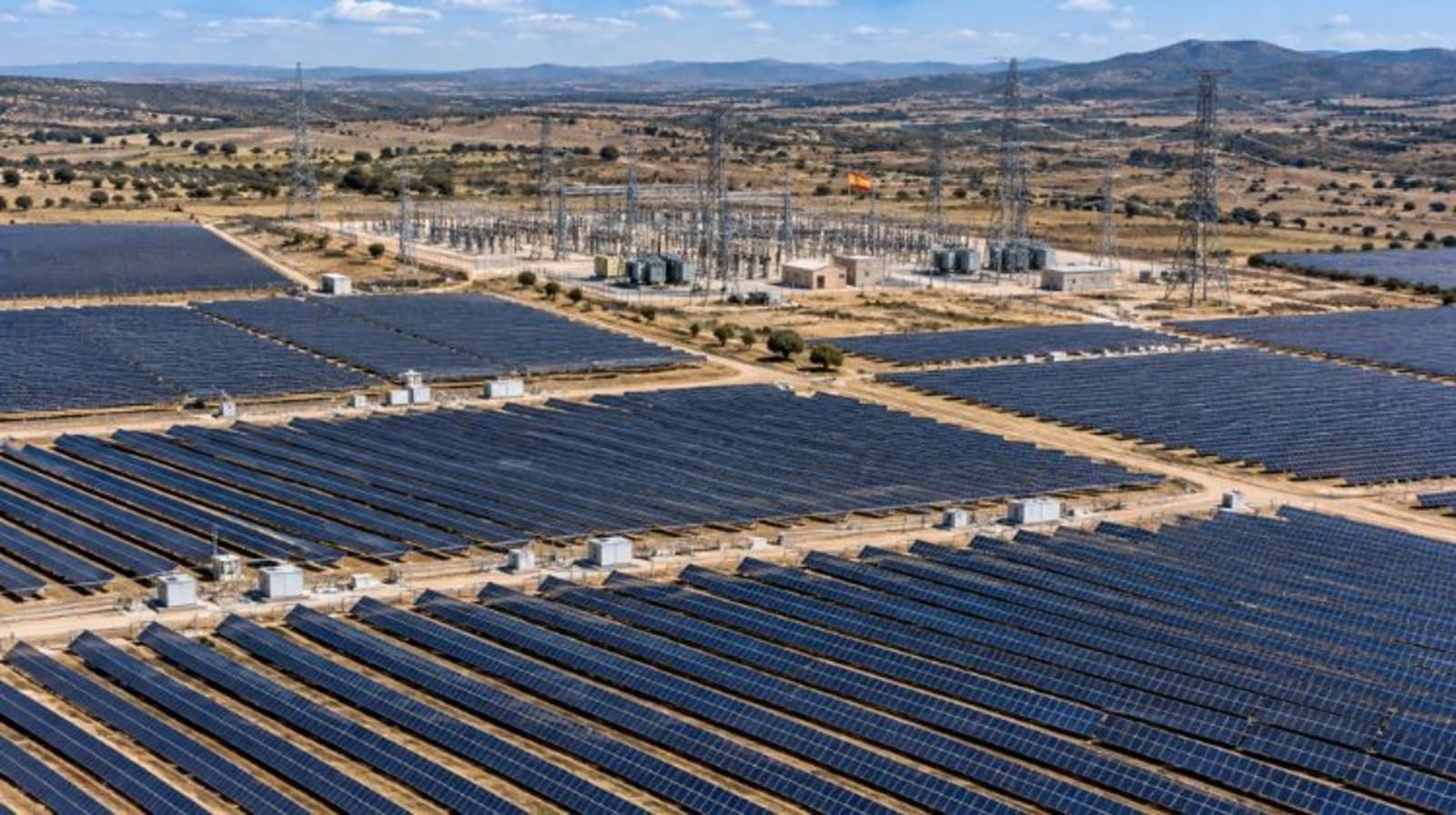
Unpaid electricity injections this year reached 6 TWh in mid-October, which is double the 3 TWh recorded up to this date in 2025 and five times more than the value in that period of 2024.
Aurora Energy Research notes that technical curtailment in phase 1—that is, electricity that is not integrated into the grid and is not remunerated—has reached very high levels in Spain since last year. Uncompensated technical curtailment stood at 1.7 TWh for the whole of 2024, rose to 3.6 TWh in 2025, and has exceeded 6 TWh so far in 2026.
Technical curtailment is one of the various restrictions applied by the grid operator. The resolution of technical constraints is carried out in two phases before real-time operation: Phase 1 adjusts generation to ensure the technical viability of the electricity schedule, while Phase 2 restores the balance between generation and demand after these adjustments. Generation reductions in Phase 1 are not remunerated; however, upward adjustments in this phase, Phase 2 redispatches, and real-time adjustments are remunerated.
Since May of this year, in a context of high renewable energy production, especially photovoltaic, uncompensated technical curtailment has skyrocketed. In September alone, it surged to 1 TWh, double the amount recorded a year earlier. The highest monthly value to date was in July of this year, at 1.5 TWh.
Continue reading
Photovoltaics is the leading source of generation so far in 2026, with a 23% share in the mix.
At a territorial level, waste disposal is distributed very unevenly across Spain. Extremadura and Aragon, autonomous communities with high renewable energy production, register the highest rates.
However, this year has seen notable shifts in the location of electricity discharges across the country. Some nodes in the electrical grid have experienced a decrease in the volume of discharges, while others have seen an increase.
Aurora forecasts continued shifts in electricity curtailment patterns across different regions in the medium term. Using its nodal load flow model, Aurora predicts that curtailment will stabilize in some autonomous communities, while increasing or even decreasing in others. However, overall, Aurora forecasts high rates of electricity curtailment in Spain in the short term.
Mario Prinetti, Senior Associate at Aurora Energy Research, points out: “Evaluating the territorial evolution of electricity curtailment at the grid nodal level in the medium and long term is key to ensuring the continued rapid expansion of renewable energy in Spain. This year we have observed very significant changes in the location of curtailment. One of the nodes with one of the highest rates at the beginning of the year, Tabernas 400 in Almería, has dropped out of the list of the 30 nodes with the most curtailment, according to the latest data published by Red Eléctrica. Spain is a pioneer in the integration of renewable energy, but at this point, precise analyses and localized actions are needed to achieve fuller integration. Electrifying the economy within a renewable system implies addressing certain issues promptly, such as electricity curtailment.”

 By Energía Estratégica
 By Florencia Guglielmetti
 By Matías Medinilla

 By Ailén Pedrotti