

The race to secure a grid connection point in Spain contrasts sharply with the pace at which its economy is electrifying. While industrial and technology developers compete to reserve power, cumulative electricity consumption between January and October 2026 reached 218,874 GWh, barely 3% higher than the same period the previous year.
If the effects of temperature and working days are discounted, demand growth is reduced to 1.9% , according to the latest records from Red Eléctrica .
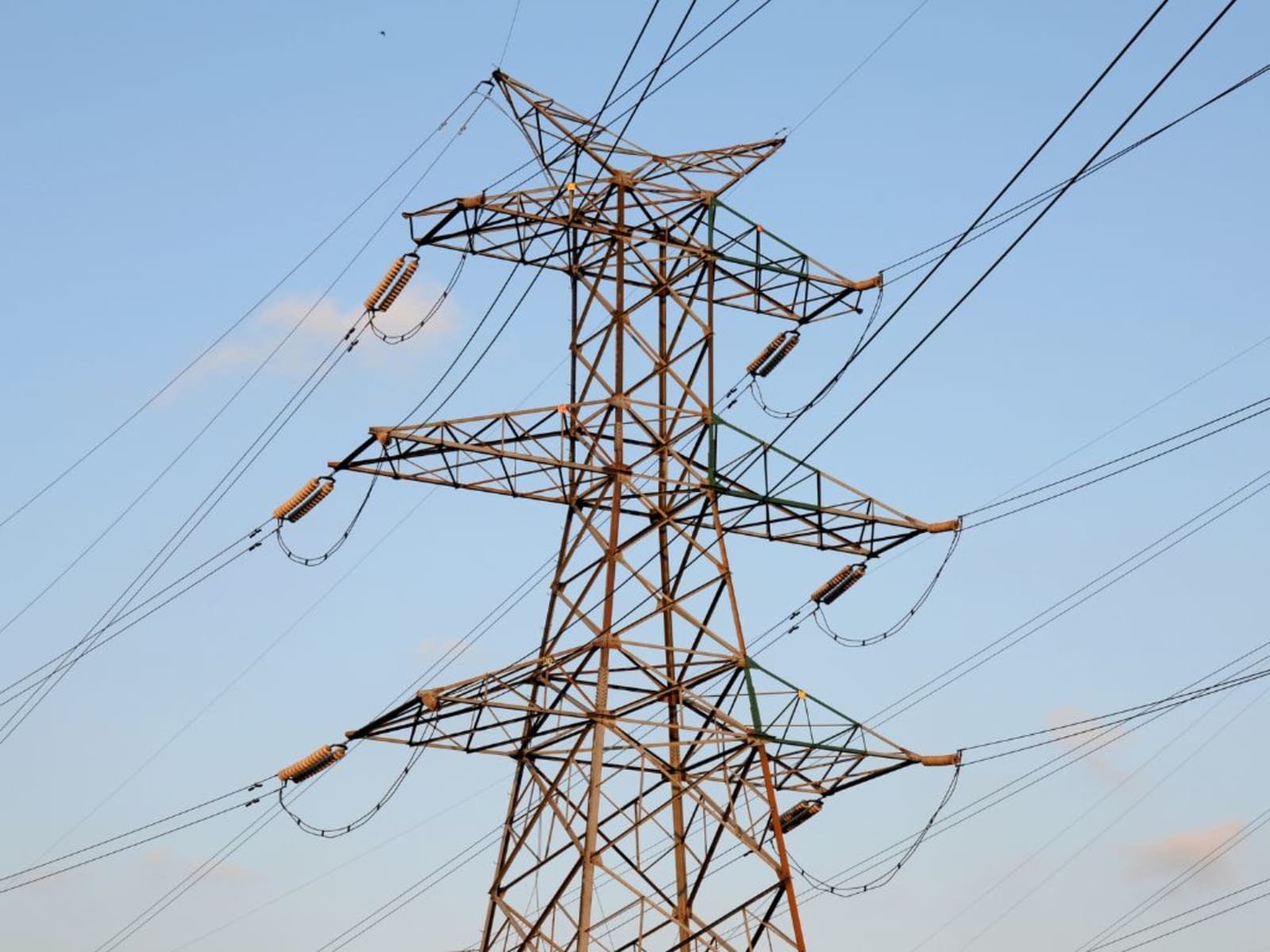
Against this backdrop, the Council of Ministers approved last Friday the Electricity Transport Network Planning with a 2030 horizon, which will allow the system to be prepared to meet an annual consumption of up to 375 TWh.
The decision represents a shift in the development strategy of the Spanish market. After years in which the focus was on adding new renewable energy capacity, investment efforts are beginning to move towards activities capable of absorbing that production.
However, there is a gap between the capacity that is enabled and the megawatts that will finally come into operation, which conditions both the recovery of prices captured by clean technologies and investment decisions in new parks.
When will the money start flowing into the networks?
Beyond the announced volume, the execution schedule allows for an assessment of the business opportunities for electrical equipment manufacturers, technology providers, engineering firms, and developers.
Royal Decree 640/2026, approved in July, enables an increase of €7.7 billion in the limit of remunerable investment of transport infrastructure, distributed in €700 million for 2027, €1.85 billion for 2028, €2.3 billion for 2029 and €2.85 billion for 2030.
Thus, almost 67% of that additional investment margin is concentrated in the last two years of the decade , a schedule that could create a gap with respect to the most immediate needs of the developers.
In addition, there is the possibility of allocating up to 20% of the authorized increase in distribution to anticipatory actions, that is, those intended for areas where there is not yet a guaranteed demand for the next five years, but whose economic potential justifies preparing the infrastructure.
The mechanism seeks to break one of the market's paradoxes: companies need certainty about supply before committing capital, while operators require sufficiently solid consumption signals to justify their outlays.
Aragon, Madrid and Andalusia: three models of energy growth
The transformation will not be homogeneous in territorial terms either.
Aragon is one of the most representative examples of the impact of digitalization on the sector. According to forecasts presented by the Ministry for Ecological Transition and the Demographic Challenge (MITECO) in October, the region could increase its current electricity needs eightfold, considering both existing and projected capacity.
Data processing centers concentrate a large part of that potential, although hydrogen projects and other industrial initiatives are also gaining ground.
Madrid, for its part, is planning an additional 6.5 GW in transport, with a significant residential and technological component, while Andalusia is emerging as the region with the largest deployment of new electrical infrastructure , combining its renewable generation potential with industrial and port decarbonization.
This territorial differentiation can also modify the location strategies of renewable projects, especially when proximity to large consumers allows for structuring long-term supply agreements or reducing exposure to evacuation restrictions.
A bottleneck doesn't always require building a new line
In parallel to the investment program, the Council of Ministers approved on November 24 an update to the technical connection requirements that could substantially modify the electricity availability map.
Currently, under the dynamic access criterion, the power reserve at a node can limit the connection possibilities in dozens of nearby locations.
Incorporating robustness requirements against voltage dips will reduce these areas of influence from an average of 96 knots to less than five.
According to the Executive's estimates, the number of sites with a capacity greater than 1,000 MW for data centers and electrolyzers could increase from 231 to 485 , without prejudice to other technical restrictions.
This modification opens up opportunities for suppliers of power electronics, compensation systems and electrical stability technologies, whose incorporation will be necessary to adapt the facilities to the new operating conditions.
Data centers: between renewable opportunity and regulatory uncertainty
One of the questions for independent power producers (IPPs) is how much of the growth associated with artificial intelligence will actually translate into supply contracts.
In October, Red Eléctrica reported 6,329 MW of access granted to data processing centers, without any of those megawatts having yet entered service .
Added to this situation is the approval of Royal Decree 1032/2026, which introduces obligations of renewable additionality and time correlation of 80%, with transitional and alternative provisions linked to the flexibility of consumption.
The regulations also establish a compensation of € 6 for each MWh consumed when the coverage through additional renewable generation is between 60% and 80%.
While these conditions favor the development of PPAs with more sophisticated delivery profiles and storage solutions, the employers' association SpainDC questions their viability and warns about the impact they could have on Spanish competitiveness compared to other European markets.
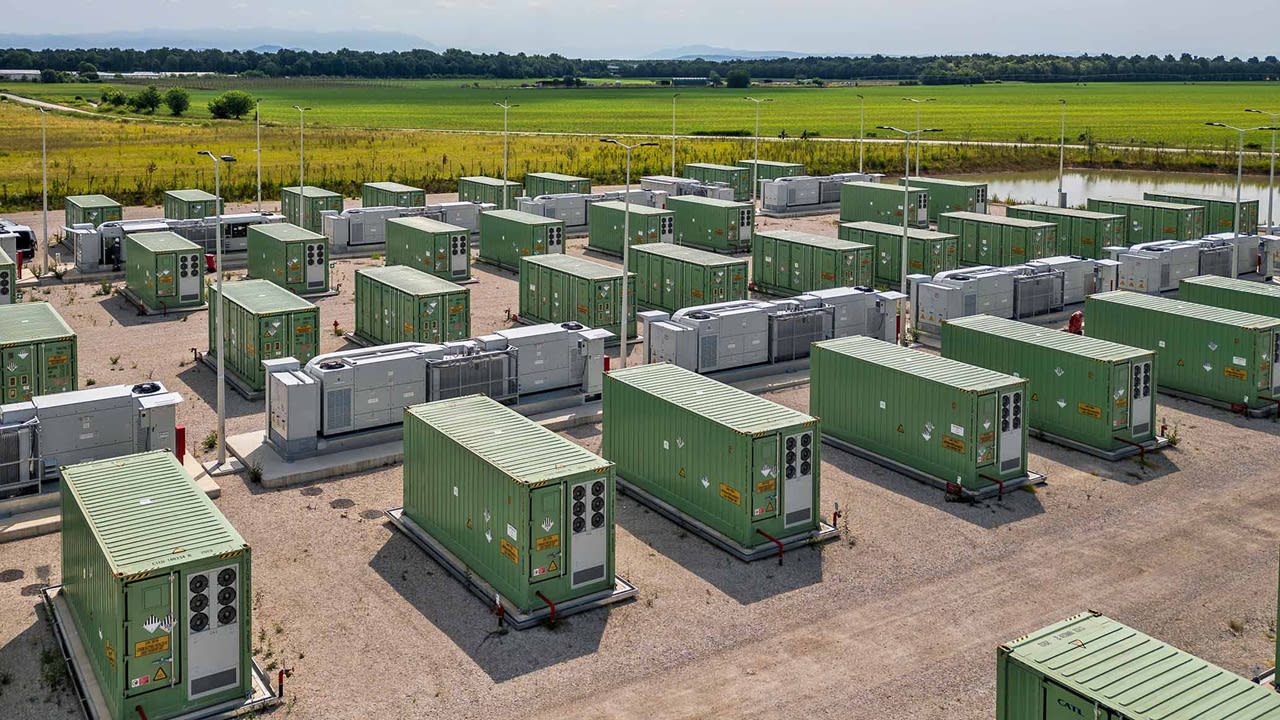
For now, batteries and pumped hydro storage are starting to gain prominence in managing surplus energy: during October they allowed 778 GWh to be added to the system, 4.7% more than a year ago.
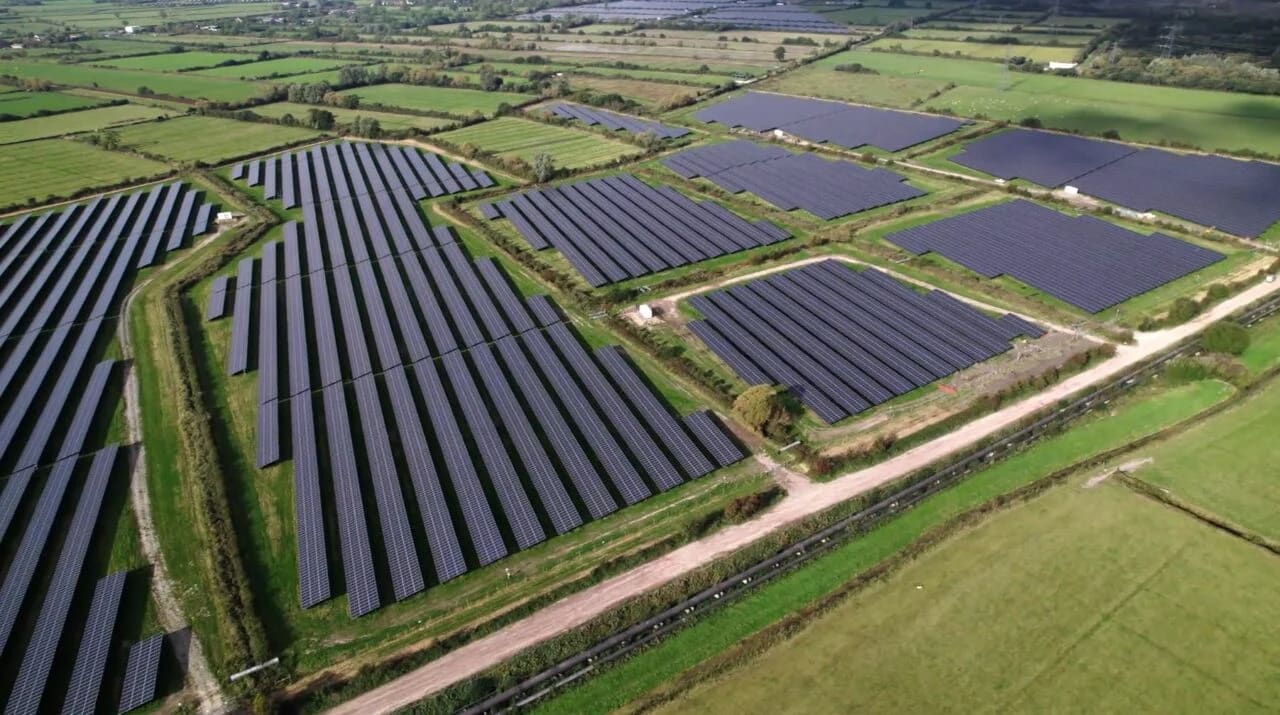
In that same month, photovoltaics accounted for 21% of the national electricity mix, placing it just seven tenths behind nuclear power, the leading generation technology of the period.

 By Florencia Guglielmetti


 By Matías Medinilla
 By Energía Estratégica